
3-indolepropionic acid
(IPA)
The most potent antioxidant in the human body.
Ordinarily produced only by gut bacteria.
Now available from Constellation Bio.
What a day for a daydream
Everyone knows that oxidative stress is the Big Bad, as far as long-term health goes. It’s an inescapable challenge, because life as we know it is an oxidation chain reaction: like a fire, your body uses oxygen to help break the chemical bonds in food. This releases energy, some of which helps to break the next bond in turn.
A slow burn.
But maintaining this cold flame is no easy feat. Too cold, and the fire sputters out. Too hot, and—like an engine without coolant—your body starts to break down, as the delicate machinery of metabolism is degraded by the fire it was made to contain. This is oxidative stress.
Antioxidants help our bodies cope with this: Molecules like vitamin C can quench the hottest parts of the flame, sponging up the high-energy free radicals that could otherwise react with and damage our cellular machinery.
One of the most potent antioxidants that your body is capable of making on its own is melatonin. Perhaps it’s surprising to learn that this molecule—best known for its role in governing the sleep/wake cycle—moonlights as a powerful free-radical scavenger. It makes perfect sense, though, when you consider that sleep is a time for damage control and repair: our daily chance to power down our most metabolically demanding organ and flush the toxic buildup that accumulated during the day. This pattern—where the master regulator of a process isn’t just a signal but an active participant—is common in biology; those master regulators often earn their station by playing an outsized role in the process’ core purpose over evolutionary timescales.
But we can’t sleep all the time: when the sun comes up, melatonin disappears from the bloodstream, and its protective shield evaporates. That’s why most people have gut bacteria which produce 3-indolepropionic acid, or IPA.
“The Other IPA”
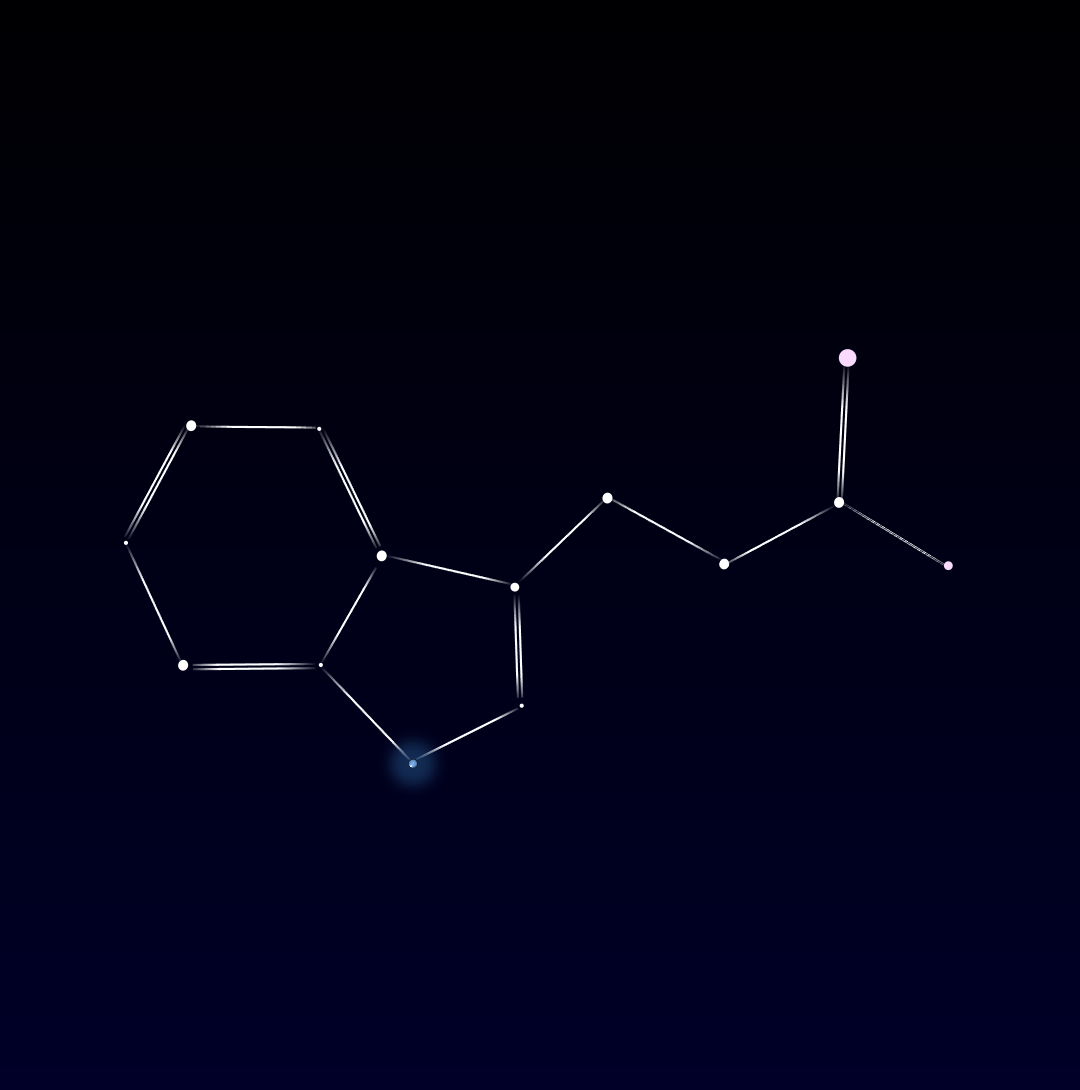
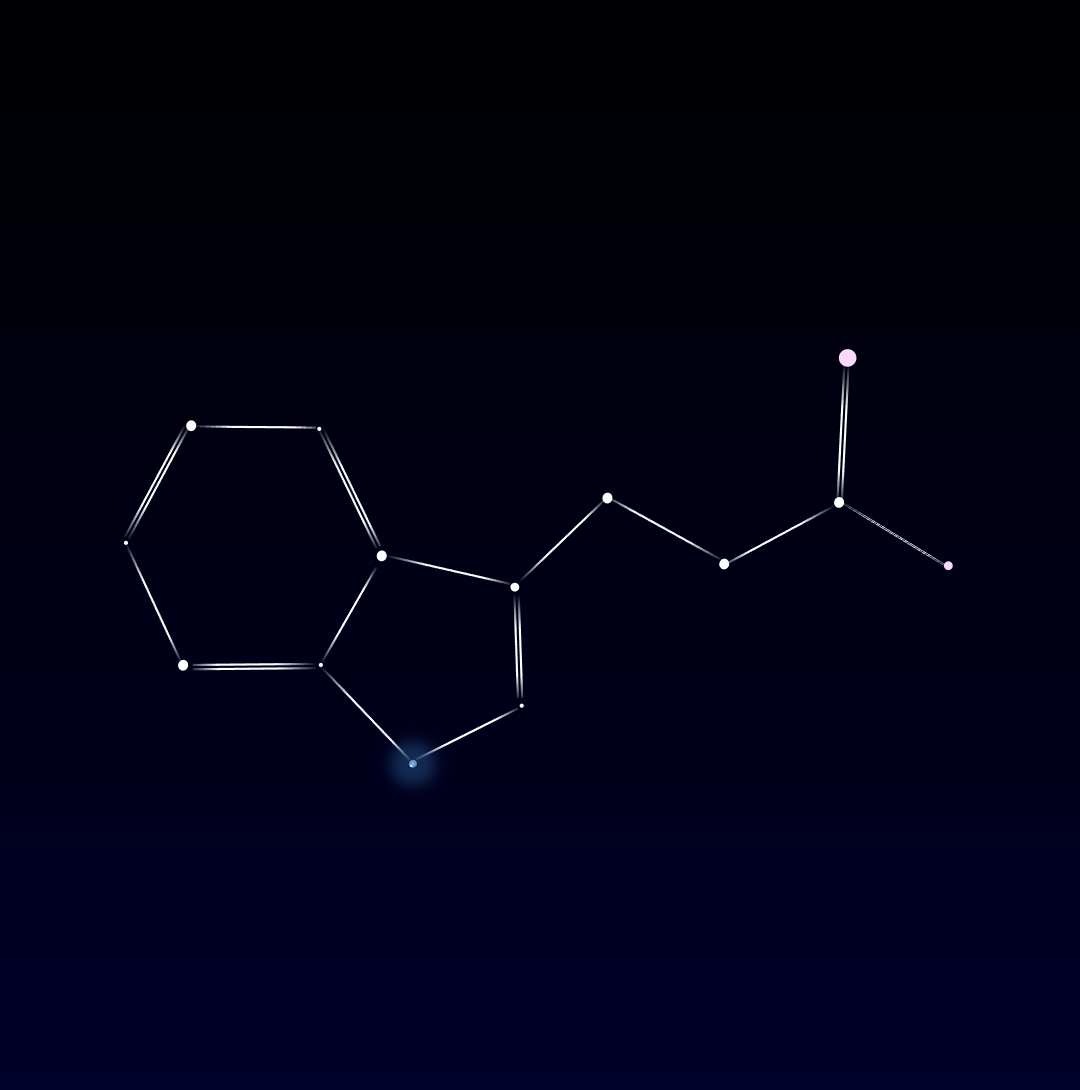
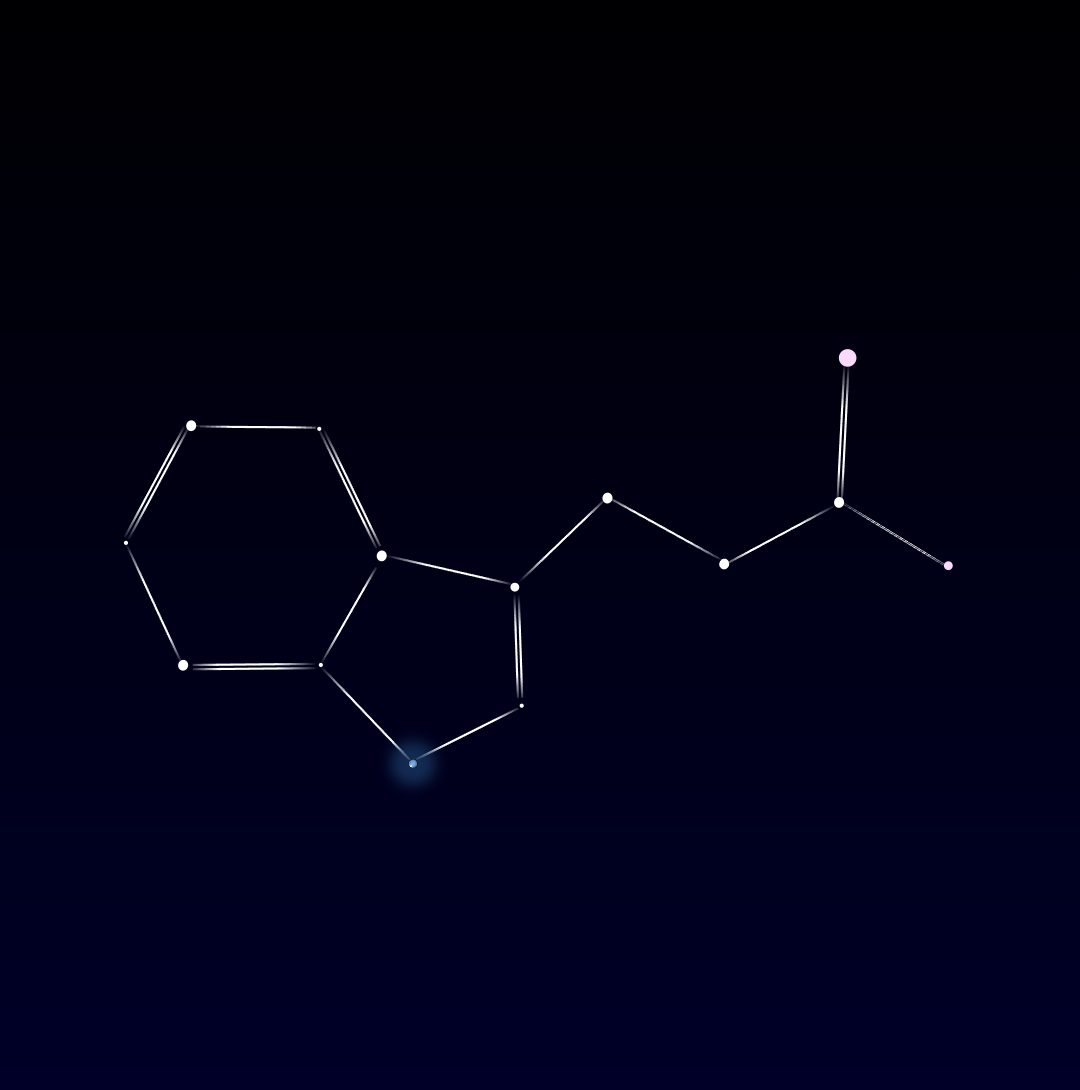
IPA is a close chemical cousin of melatonin; their structures are alike, and they share a common precursor—tryptophan. One major difference is their potency: in a variety of in vitro assays, IPA outperforms melatonin at absorbing free radicals (specifically hydroxyl radicals, which are among the hardest for the body to detoxify) and preventing cellular damage.
The other key difference: where our cells have all the machinery necessary to create melatonin from tryptophan, IPA can only be produced by certain gut bacteria. Critically, no existing probiotic can produce it.
Most of the literature surrounding IPA focuses on Clostridium sporogenes, the organism in which the IPA biosynthesis pathway was first characterized. But C. sporogenes isn’t a human gut bacterium—so the question of which gut microbes are responsible for IPA ’s presence in the human bloodstream has remained an open question. Our research has identified Faecalibacterium—a core member of the human gut microbiome that is universally associated with health—as the primary IPA producer in humans.
Typically, various species of Faecalibacterium make up about 10% of the microbiome, but there’s enormous variance across the population; in some people, the genus is absent entirely—likely due to some combination of antibiotic use and poor diet. In these people, we suspect that the absence of IPA may render the body more susceptible to the damage of oxidative stress. Now, for the first time, we’re proud to offer IPA to the public as a dietary supplement.